Key Takeaways
- Mobile mechanics offer convenient, on-site vehicle repair and maintenance services, eliminating the need for traditional shop visits.
- Advancements in technology and changing consumer preferences are driving the growth of mobile mechanic services.
- Major automotive manufacturers and dealerships are adopting mobile service models to enhance customer satisfaction and operational efficiency.
Table of Contents
- Introduction
- The Rise of Mobile Mechanics
- Technological Advancements Fueling Growth
- Consumer Demand for Convenience
- Dealerships and Manufacturers Embrace Mobile Services
- Benefits of Mobile Mechanic Services
- Challenges and Considerations
- Conclusion
Introduction
Over the past decade, the automotive repair world has seen a significant shift with the emergence of mobile mechanic services. These mechanics travel directly to customers’ homes, workplaces, or roadside locations to perform on-site repairs and maintenance. As more vehicle owners seek services that fit their lifestyles, mobile mechanics are meeting these demands with unmatched convenience, challenging the dominance of traditional auto shops.
The mobile model is not just a reaction to busy schedules. It is part of a broader transformation driven by advances in technology, shifts in consumer behavior, and changes in how automotive companies operate. Customers now expect flexible service options in most areas of their lives, and car care is no exception.
Independent repair businesses and national services alike are investing in these flexible solutions. As technology makes it easier for mechanics to diagnose and fix vehicles outside of repair bays, the line between traditional and mobile service is blurring. The demand also extends to business clients, particularly those managing company vehicles, who increasingly rely on specialized fleet services to keep operations running smoothly.
The movement toward on-site automotive repair reflects a larger trend in consumer services, as people weigh the value of their time against traditional norms. As a result, the mobile mechanic industry is seeing broader acceptance among both drivers and industry suppliers.
The Rise of Mobile Mechanics
Mobile mechanics provide an alternative to the typical auto repair experience. Instead of driving to a shop, waiting for repairs, and arranging alternative transportation, customers enjoy hassle-free service at their chosen location. According to a Curbee study, there are 16 independent auto repair shops for every franchised dealership in the U.S., underscoring a competitive landscape ideal for innovation.
This rise is also fueled by urbanization and technology, with city dwellers and suburban families alike looking for automotive solutions that eliminate unnecessary travel and long wait times. Mobile mechanics address these needs by streamlining the entire repair process, leading to rapid industry growth.
Technological Advancements Fueling Growth
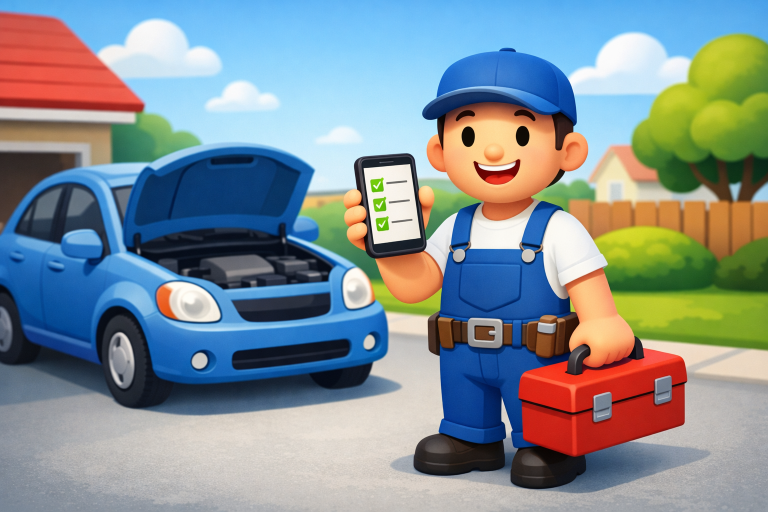
Advancements in portable diagnostic equipment, mobile apps, and online booking systems have enabled mobile mechanics to deliver high-quality services outside traditional shops. Customers can book an appointment, get transparent price quotes, and receive real-time updates on their repairs. According to Forbes, these advancements are enabling a growing number of repair shops to streamline operations and cut overhead costs by bringing their expertise directly to the customer.
Some companies offer comprehensive mobile diagnostic services, while others focus on repairs such as oil changes, brake replacements, or battery service. Platforms like YourMechanic have even introduced nationwide apps, giving users access to on-demand vehicle repair from the comfort of home.
Consumer Demand for Convenience
Convenience is a top priority for many vehicle owners. Work-life balance, family obligations, and busy professional schedules have changed the way people approach car care. Mobile mechanics meet a core need by making the process straightforward and reducing the disruption of traditional repair-shop visits. As a result, more drivers are turning to these services for routine maintenance or unexpected breakdowns.
The growth in mobile services also highlights shifting expectations for customer service, especially among younger consumers accustomed to on-demand solutions in other industries. This shift is moving the automotive world toward a more customer-focused business model.
Dealerships and Manufacturers Embrace Mobile Services
Automotive manufacturers and dealerships are now entering the mobile service sector to provide more value and convenience. For example, Hyundai has rolled out a fleet of factory-trained mobile technicians in select U.S. markets, offering customers dealership-quality maintenance at their location. Even luxury brands are piloting mobile options to improve customer experience and retain clients who might otherwise seek independent or aftermarket alternatives.
These changes reflect the broader industry acknowledgment of consumers’ preferences and the competitive need for innovation. Dealerships hope mobile service offerings will boost customer retention and satisfaction, while manufacturers see them as a way to extend brand loyalty beyond the showroom floor. More information about this growing trend can be found on sites like Forbes.
Benefits of Mobile Mechanic Services
- Time Savings: Customers avoid travel and waiting-room delays, making car care more efficient.
- Flexibility: Mechanics work around the customer’s schedule and location, accommodating individual preferences and work hours.
- Transparency: Digital systems allow for upfront pricing and clear communication, increasing trust in the service process.
- Personalized Service: Direct interaction with the mechanic can foster better understanding and customer loyalty compared to traditional shops.
These advantages appeal to drivers who need quick solutions and to business owners responsible for maintaining large vehicle fleets.
Challenges and Considerations
Despite numerous advantages, mobile mechanic services have inherent challenges. The scope of repairs is sometimes limited by access to specialized shop equipment. Issues that require lifts or advanced machinery are better handled in a controlled indoor environment.
- Limited Service Scope: Some repairs, such as major engine or transmission work, require tools available only at fixed locations.
- Weather Dependence: Adverse weather conditions can disrupt schedules or make on-site work unsafe.
- Regulatory Compliance: Mobile mechanics must comply with local regulations, zoning laws, and occupational licensing requirements to operate legally.
Additionally, as these services become more popular, ensuring consistent service quality and accountability remains a priority for both new entrants and established providers.
Conclusion
The rise of mobile mechanics is redefining automotive care for today’s vehicle owners by prioritizing flexibility, convenience, and efficiency. With technological advances and broader adoption by both independent providers and major manufacturers, the mobile service model is likely to become the standard for vehicle maintenance and repair. For drivers and fleet managers, this shift means new levels of accessibility and innovation in vehicle care, opening the door to a more streamlined, customer-focused future.